Best Workplaces, Leadership & Management
Here's how Target and American Transmission Company are putting money into projects to support and develop people.
Growth is always a priority for business leaders. It’s becoming more urgent these days.
Over $2 trillion has been invested in 2026 globally, according to the International Monetary Fund. Yet the revenue growth from these investments is slow to materialize.
Only three in 10 CEOs (30%) reported confidence in their revenue growth at the start of 2026, per a global survey from PwC. That’s a remarkable decline from 2022, when over half were confident in their growth. With markets betting trillions on AI, this is a bad time to stop growing.
Companies that made the Fortune Best Workplaces by Industry™ lists have a different approach to growth. They are investing in their people with training, resources, and new tools.
“Investing in our team is at the heart of our guest experience and our single biggest avenue to fuel growth in our business,” says Emily Hebert, SVP of human resources at Target Corporation.
The retail giant is investing $6 billion in its business in 2026, including its stores and team to elevate the guest experience. “We have a real belief that when our team has what they need to do their best work, our guests will feel the difference and that’s going to fuel performance,” Hebert says.
Target is adding millions in payroll, training and technology, and staffing up to ensure shoppers have a friendly, experienced team member to help them at their local store. “Retail is becoming increasingly more human, and we need to enable our people with better tools,” Hebert says.
Investing in people also ensures you can ride the wave of once-in-a-generation growth. American Transmission Company, a utility firm that develops and manages high-voltage transmission lines, has seen rapid growth, in part thanks to the AI and data center buildout.
“We’re experiencing tremendous growth,” says Lori Lorenz, EVP, chief people, culture, and customer officer at ATC. That creates opportunities for people, but the company believes it’s important that employees feel that change happens “with them” and not “to them.”
That requires a robust listening strategy with regular pulse surveys, focus groups, town halls, and the unmatched data they collect from their Great Place To Work® survey.
What it means to ‘listen to employees’
If people are an important part of your growth strategy, you have to be deeply connected to them. For companies like Target, listening to employees is fundamental.
Team member input shapes how Target operates. They stay close to their team through employee engagement surveys, field input sessions and focus groups, and everyday conversations to shape initiatives and key decisions. “Feedback only matters if we actually do something with it,” Hebert says.
As an example, Target heard from frontline team members that they needed more predictability, visibility, and flexibility in their work schedules. As a result, Target just rolled out a simpler, more integrated scheduling experience.
The early results have been encouraging, but that doesn’t mean Target is done listening and looking to improve the experience for people. “Our best decisions come directly from the voices of the field,” Hebert says.
For ATC, with employees both in the office and in the field, listening requires a comprehensive approach to make sure every voice is heard. “We want to hear all perspectives,” Lorenz says. That might mean someone joins a focus group on a virtual call from their truck in the field.
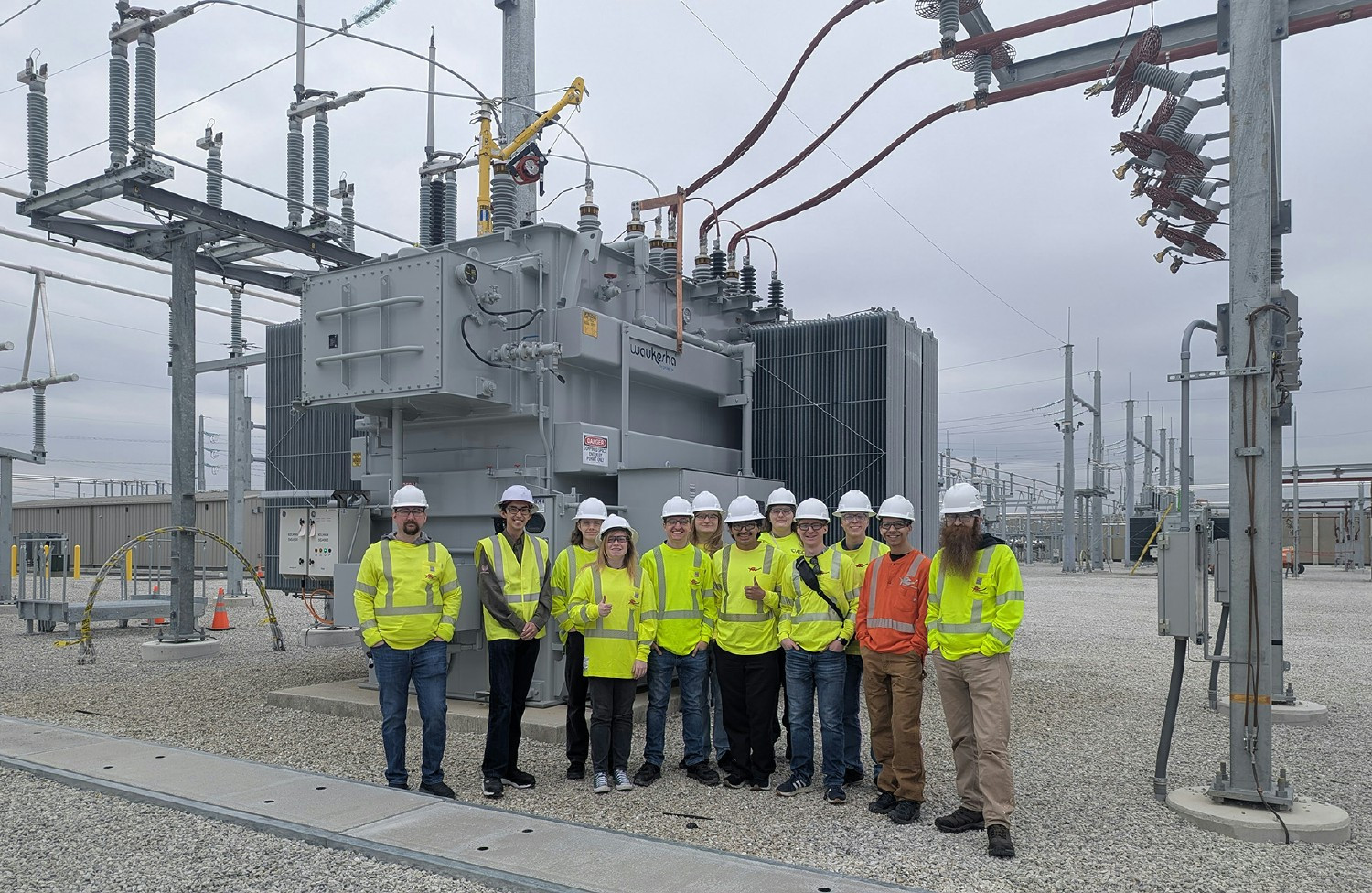
Employees at American Transmission Company.
Because of the company’s strong culture around listening and responding to feedback, employees make it a priority to share their voice, even when it is inconvenient. “Our folks try as best they can to make themselves available,” Lorenz says. The result is in the data: Nine in 10 employees at ATC feel the company cares about them.
The best workplaces focus on leadership
Trust starts with leaders. That’s why companies like Target are focused on ensuring every employee has a great leader.
“The frontline leader is one of the most important roles in the company, full stop,” Hebert says. “So much of a team member’s experience at our sites and our stores comes to life through the leader that they interact with every single day.”
As a result, Target invests heavily in developing its leaders, from its New Leader at Target Program to its Store Director Development Program. The investment is working: One in four store directors at Target started as an hourly team member, and eight in 10 employees at Target say they have a good connection with their leaders.
Tips for building trust
Here’s what Target and ATC have found to make a real difference when gathering feedback that drives business performance:
1. Go beyond the annual survey
Listening should happen all year round. “We have found pulse surveys to be an especially effective mechanism,” Lorenz says. “They’re simple and straightforward, allowing you to get quick input from a large population of people.”
Annual deep insights can then validate those trends, providing insight without causing survey fatigue.
2. Discuss survey action plans as part of regular operations
“Staying close to your team, truly listening, and acting on their feedback is so important. Target asks every distribution center and store to have an action plan, informed by team member feedback and survey results — and leaders engage in regular chat sessions, to ensure we’re checking in and seeing where we’re making progress”, Hebert says. “We also use visits as opportunities to see what’s working and where we can do better at a company level”.
Because the retail business is rapidly changing, action plans are expected to change. “The action plan can and should be a living, breathing document,” Hebert says.
3. Make focus groups peer-led
When running a focus group, peer-led discussions provide richer feedback, Lorenz says. “People feel perhaps more comfortable sharing their insights or their perspectives with a peer.”
As an added benefit, leading a listening session might become an opportunity for someone to develop new leadership skills. “It’s helped us to identify leadership potential in some folks,” Lorenz says.
Join leaders from ATC and Synchrony for an exclusive digital event on Oct. 29 to learn how they used workplace intelligence to better understand their employees, improve performance, and stay ahead of the competition.